
If you’ve spent any time browsing online casinos, you’ve probably noticed both Slingo and bingo popping up in the games list. At first glance, they might seem similar, but there’s more beneath the surface.
Both games offer different rhythms and goals, and the way they deliver wins and features can shape which one you enjoy most. Whether you prefer a more engaged session or a quicker, simpler spin, the differences are worth knowing.
Read on to compare how each game works, what to expect from mechanics and visuals, and which style might suit your play.
How Do Slingo and Slots Work?
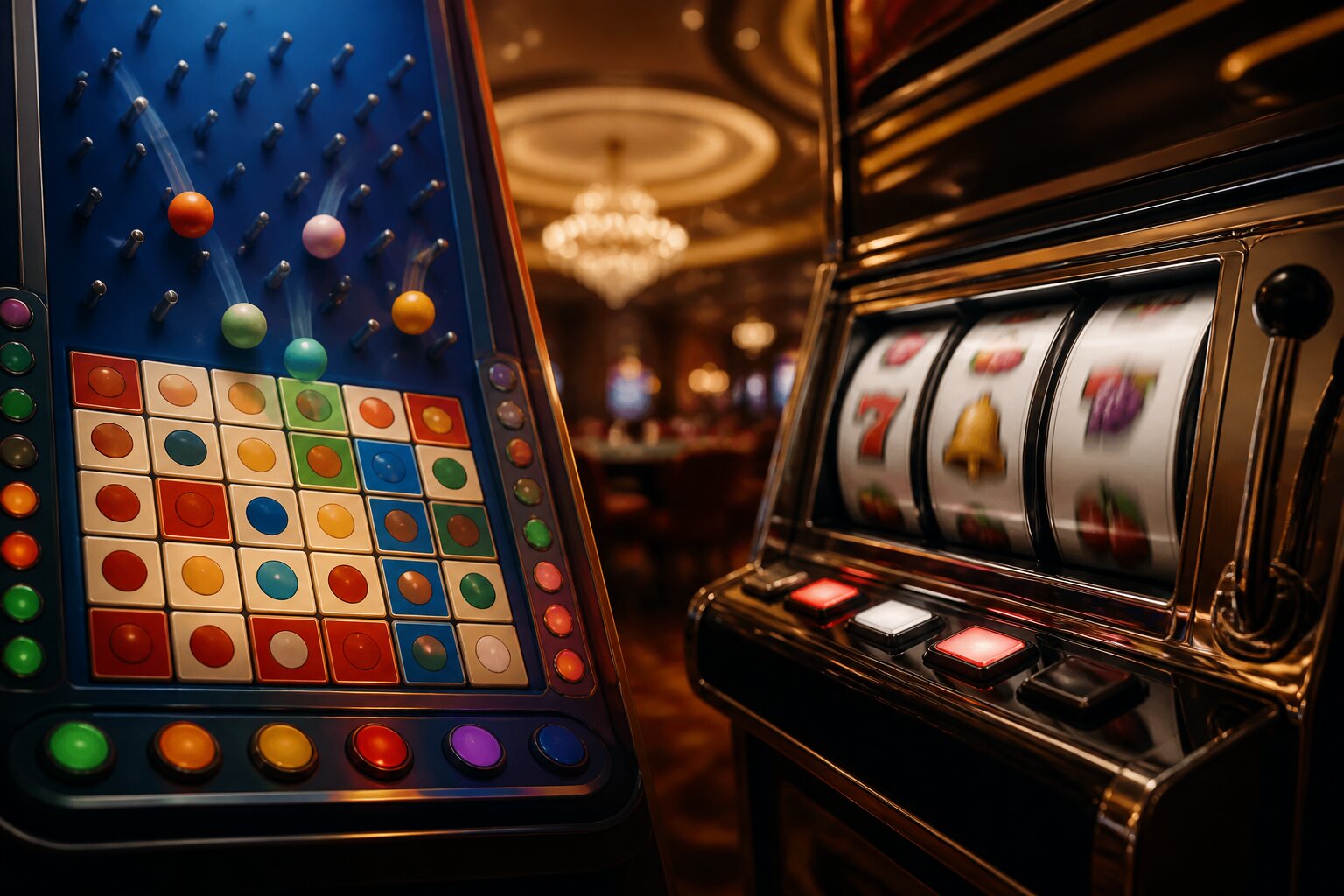
Slingo blends elements of bingo with slot-style spins. Play happens on a 5x5 grid that resembles a bingo card, while a set of virtual reels beneath the grid spins to reveal numbers. When a spun number matches one on your grid, it is marked off. The aim is to complete lines across, down or diagonally before your allotted spins end. Many Slingo games add wild symbols, extra spins or mini challenges that give the player occasional choices and shape a single session’s outcome.
Slots centre on spinning reels filled with themed symbols. Winning depends on landing matching symbols across specified paylines, and many games offer free spins, multipliers or interactive bonus rounds triggered by particular combinations. Each spin is independently determined by the game’s random number generator, and the experience is focused on quick results and varied visual presentation.
Slingo’s grid and line-based objectives add a planning element that contrasts with the simpler, immediate outcomes of slots. Next, we’ll look closer at the core mechanics that define how each game plays and feels.
Comparing the Core Mechanics
Both Slingo and slots rely on certified randomness to decide outcomes, but they differ in how a player experiences that randomness and how much input they have.
Game Objectives and Outcomes
Slingo’s objective is to fill lines on the grid and accumulate a score during a series of spins. Progression through the grid creates a sense of unfolding achievement within a single session, and in some versions extra features alter the size of a final prize.
Slots ask for a win on each spin through symbol alignment. There is no cumulative score; each spin stands on its own and can award fixed payouts, trigger progressive jackpots or unlock bonus rounds that change the play for a limited number of spins.
Role of Randomness and Player Interaction
Certified randomness governs both games, but Slingo offers more interactive elements. Players often decide when to use wilds, whether to accept extra spins or how to handle bonus choices, which means decisions can shape the session’s flow. Slots normally involve choosing a stake and maybe selecting paylines, then letting the game run; once the reels move there are no further choices that influence that spin’s outcome.
Understanding these differences helps when deciding which style suits an individual’s preference. The next section contrasts their presentation and how visuals support each game’s aims.
How Do Themes and Visuals Differ?
Visual design follows function in both types of game. Slingo prioritises clarity: the grid is prominent, matched numbers are clearly marked, and animations tend to highlight progression toward completing lines. Design elements borrow from bingo aesthetics, so the focus stays on tracking the grid rather than immersive storytelling.
Slots put themes at the forefront. Reels, symbols and animated bonus sequences are crafted to fit the chosen concept, whether that is a historical setting, film tie-in or an abstract theme. Paytables and feature triggers are integrated into the display so the player can see potential combinations and how special symbols operate.
Slingo visuals emphasise readability and game-state feedback, while slots lean on narrative and spectacle to keep each spin engaging. With that visual groundwork in mind, it’s worth considering which game formats encourage social or competitive play.
Social Features: Do Slingo and Slots Offer a Community Element?
Some Slingo titles include multiplayer modes, leaderboards or tournament-style formats where many players play the same or similar boards and compare scores. These features can create a communal feel even if real-time chat is absent, because the presence of leaderboards or ranked sessions encourages a friendly competitive element.
Slots are mostly solo experiences, though many platforms run slot tournaments or publicise shared jackpots where multiple players contribute to the same prize pool. Those features are generally informational rather than interactive, so most slot play remains an individual activity.
If social interaction matters, Slingo often provides more ways to share a session’s outcome or compete; next we’ll examine how bonus features in each game change the pace and potential rewards.
Bonus Rounds and Special Features: What Sets Each Apart?
Both game types use bonus mechanics to add variety, but their roles differ with the game structure. Slingo bonuses typically tie back into the grid: wilds let you mark off numbers, free spins extend the number of opportunities to complete lines, and pick-style features might award extra marks or multipliers. These additions fit naturally into the session’s rhythm and keep the focus on filling the grid.
Slot bonuses are more varied and thematic. Free spins can come with special modifiers such as expanding symbols or extra wilds. Interactive bonus rounds may convert gameplay into a short mini-game, offering a different challenge and often a chance at larger payouts. Slots use these features to break up the spinning routine and deliver memorable moments tied to the game’s theme.
Both approaches broaden the ways a session can unfold and add layers of excitement, but they do so in ways that reflect each game’s structure. Understanding how bonuses interact with mechanics leads into how returns and percentages are presented to players.
House Edge and Payouts: What Should Players Expect?
House edge and Return to Player, or RTP, explain how games return value over time. RTP represents the percentage of stakes a game is expected to return to players in the long run, while the house edge is the complement of that figure that the operator retains. These are long-term averages calculated over many plays and do not predict short-term outcomes.
Developers set RTP values for both Slingo and slots, and regulated operators publish or make these figures available so players can make informed choices. Different titles have different RTPs and volatility profiles; a game with higher volatility pays out larger sums less often, while lower volatility produces more frequent but smaller returns. That profile affects whether a session feels steady or more swing-driven.
Knowing RTP and volatility helps set expectations for a session. With that financial context, it’s useful to separate fact from fiction about how these games behave.
Are There Any Common Myths About Slingo and Slots?
Several persistent myths can confuse players. One is the belief that outcomes follow predictable cycles or patterns, but certified randomness mechanism means each round is independent and not part of a sequence that can be tracked. Another is that particular strategies can change a game’s odds; while budgeting and session planning affect how long you play, they do not change the game’s programmed return percentages or the randomness of each outcome.
Some players assume machines become more likely to pay after a series of losses or wins. In reality, the stated RTP and the randomness mechanism ensure that previous results do not alter future probabilities.
Clearing up these misconceptions helps manage expectations and enjoy the game for what it offers. Armed with that understanding, you can choose the format that best matches your preferences.
Choosing Between Slingo and Slots: Which Suits Your Playstyle?
Choosing often comes down to whether you want a more involved session or a quicker, simpler spin. Slingo appeals if you enjoy tracking progress, making occasional choices during play, and competing for scores in formats that sometimes include leaderboards or tournaments. Slots suit players who prefer immediate results, a wide range of visual themes, and bonus features designed around the game’s narrative.
Whichever you choose, set clear limits on spending and time before you begin and use available tools to manage sessions. Play with clear expectations about RTP and volatility so the experience stays fun and within your comfort zone. When played with those safeguards in place, both Slingo and slots can provide entertaining and varied sessions that match different moods and preferences.
**The information provided in this blog is intended for educational purposes and should not be construed as betting advice or a guarantee of success. Always gamble responsibly.