
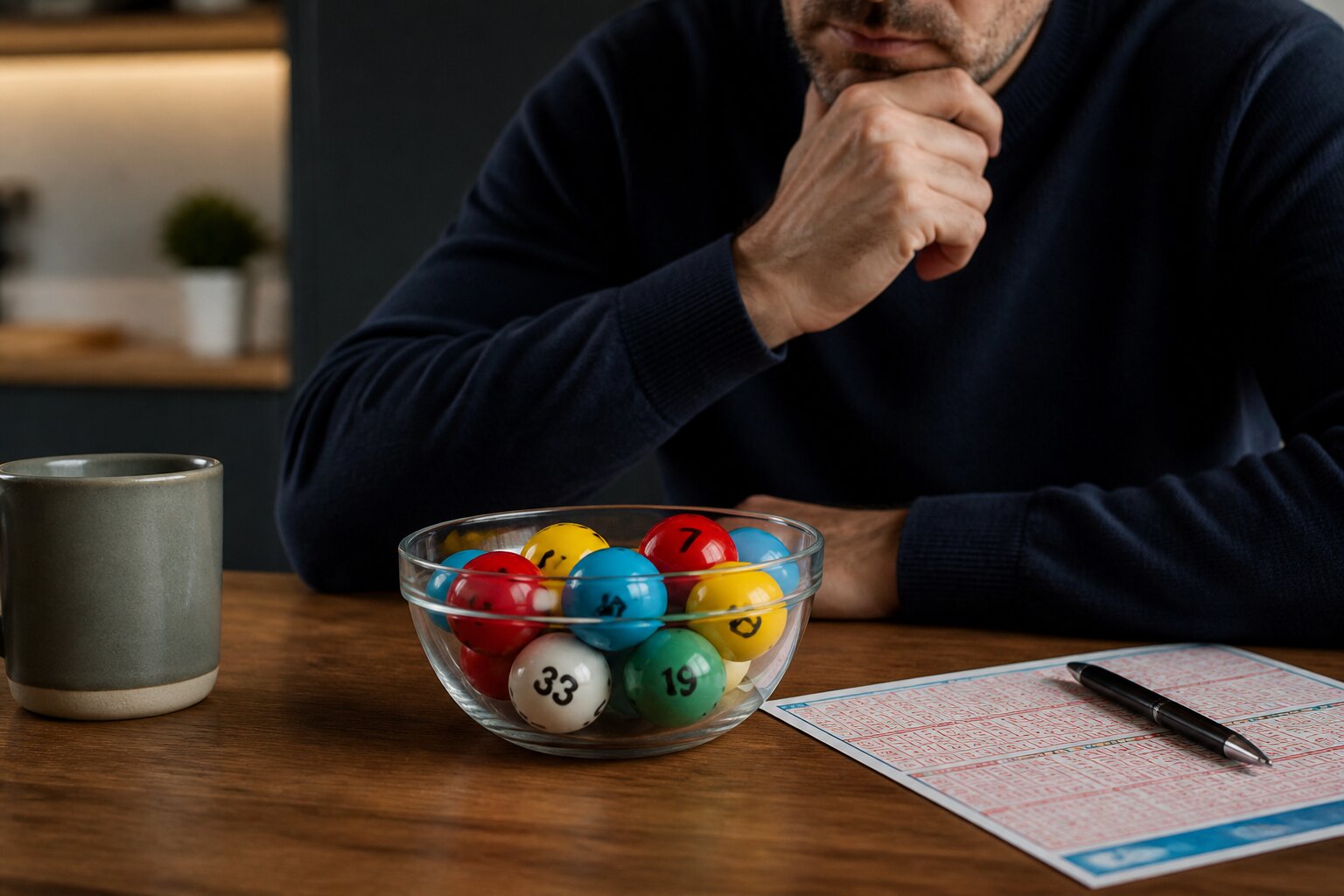
Ever wondered if picking the same lottery numbers as everyone else could affect your payout? You’re not alone—many players use birthdays, anniversaries or personal favourites when filling in their slip. But do these choices matter beyond simply being familiar?
When a jackpot grows and ticket sales surge, who takes home the prize can depend on more than the draw itself. In the pages that follow we’ll look at which numbers are picked most often, why that matters for splitting prizes, and practical ways to make your picks feel more individual without changing the underlying probabilities.
Stick with us — the next sections unpack the data, the psychology and the real-world consequences of following the crowd.
What Are the Most Commonly Picked Lottery Numbers?
Every week, thousands of players select numbers based on dates, recurring digits or patterns they like. Publicly available figures from various operators show consistent trends in these choices.
Many people favour numbers that correspond to calendar dates, so picks under 31 are disproportionately common. Certain single and double digits such as 7, 11, 17, 23, 27 and 33 also appear frequently in published lists of the most chosen numbers. That doesn’t mean they are drawn more often—just that they turn up on play slips more often.
These patterns matter because if a commonly chosen set of numbers is drawn, multiple winners can share the prize. Later sections explain how that sharing works and what it means for a payout.
Why Do People Choose Certain Numbers More Than Others?
There are clear, repeatable reasons behind popular picks. Using birthdays or anniversaries naturally restricts choices to 1–31. Personal preferences developed over years — such as a number associated with an event or a routine — also drive selection. Visual habits on play slips, like marking straight lines or shapes, lead to certain groups of numbers appearing together more often.
Social and cultural factors influence choices too. When a number becomes widely talked about, more people adopt it. That collective behaviour creates the patterns you see in the data, even though the draw itself is unaffected.
Understanding these motivations helps explain why some combinations are more likely to be shared among players when they win.
Are Certain Numbers More Likely to Be Drawn?
It’s understandable to suspect some numbers show up more often, but official draws are designed to be random and impartial. Operators use regulated equipment and procedures to make sure each number has the same probability every time.
Apparent streaks or clusters in past results are the result of chance in a technical sense, not a signalling system or bias in the draw. Put simply, seeing a number often in past draws doesn’t change its chance of appearing in the next one.
With that settled, the practical concern for players is not that some numbers will be drawn more, but whether they’ll be sharing a prize if those numbers are popular picks.
Should You Avoid Popular Lottery Numbers?
Avoiding commonly chosen numbers won’t increase the likelihood of matching the drawn numbers, but it can reduce the chance of sharing a prize if you do win. Since many players select dates and familiar digits, those numbers are more likely to be held by multiple ticket-holders.
Deciding whether to deliberately choose less common numbers is a personal preference. Some prefer the comfort of sticking with familiar digits; others like the idea of a more unique combination to decrease the risk of splitting a prize. Both approaches are valid—the key is to be clear about what you hope to get from playing.
Keep in mind that changing your selection method changes only potential prize division, not your chance of matching the draw.
What Happens If You Win With a Popular Number?
If your numbers match the draw, you win according to the prize structure in place. When multiple tickets match the winning combination in the same draw, prize money for that tier is divided equally among the winners. This applies across all prize levels, not just the jackpot.
Sharing a win does not change the fact of the win itself; it simply alters the payout per ticket. People sometimes feel disappointed to split a large prize, but shared wins are an accepted outcome of pooled participation when popular numbers come up.
If you’re curious about how prize division works in detail, operators publish clear rules and examples showing how totals are split when there’s more than one winner.
Is Splitting the Jackpot a Real Concern?
Splitting is a genuine possibility if widely selected numbers are drawn, particularly combinations made from dates. That said, many draws still yield a single top prize winner. When jackpots reach high levels they attract many players, so split outcomes become more likely, but they aren’t the norm every week.
A practical response is to think about how you choose numbers: if avoiding splits matters to you, opt for less common ranges or random selections. If it doesn’t, there’s nothing wrong with sticking to familiar picks.
Myths About Choosing Lottery Numbers
Several persistent beliefs about number selection do not hold up under scrutiny. Many people think certain numbers are "due" after not appearing for a while, but each draw is an independent event and past results do not influence future outcomes. The idea that systems can predict future draws overlooks the regulated randomness that underpins official lotteries.
Similar claims about secret formulas or pattern-based systems offering an edge are unsupported. Official draws are designed to be unpredictable and fair, so any scheme claiming to beat the odds should be treated with scepticism.
What may help is understanding probability and player behaviour. In practice this means:
- No method can change the underlying probability that a particular number will be drawn.
- Choosing numbers that are widely used increases the potential for shared prizes if you win, while picking less common combinations can reduce the chance of splitting a jackpot.
That distinction separates myth from practical consequence and can guide how you choose numbers without assuming you can influence the draw itself.
How Can You Make Your Lottery Picks Unique?
If you want your ticket to stand out, there are straightforward ways to do that without affecting the draw’s fairness. Choosing numbers above 31 reduces overlap with date-based selections, though those numbers are just as likely to be drawn as any others. Letting the terminal generate a random set, or selecting a personal scheme that avoids easily replicated choices, are other options.
Making your picks more individual can add interest to playing and reduce the odds of splitting a prize, but it won’t change the odds of matching the drawn numbers themselves. Decide what matters most to you—uniqueness or sticking with familiar choices—and pick accordingly.
What Else Affects Your Chances of Winning?
Two practical factors influence your overall potential return: the number of tickets entered in a draw and how many entries you personally hold. Larger fields mean more competitors; buying more tickets increases the absolute number of combinations you cover, but this quickly becomes expensive.
Sizeable jackpots attract more players, so even when you match the numbers the prize may be divided among several winners. Balancing the cost of buying more entries against the potential benefit is important — treating play as entertainment with a set budget helps keep participation sustainable.
If playing stops being enjoyable or starts to strain your finances, it’s a prompt to pause and reassess how you take part.
Final note: choose numbers in a way that suits you, understand how prize division works, and keep play within limits that fit your life.
**The information provided in this blog is intended for educational purposes and should not be construed as betting advice or a guarantee of success. Always gamble responsibly.