Ever wondered how many scratch cards come in a roll, or whether buying a full pack makes sense? Scratch cards are familiar and straightforward, and many people want clarity on how they’re packaged and sold.
This guide explains pack sizes, where full packs can be bought, costs, and the rules that govern bulk purchases. Read on to get clear, practical information so you know what to expect when buying scratch cards in the UK.
How Many Scratch Cards Are in a Full Roll?
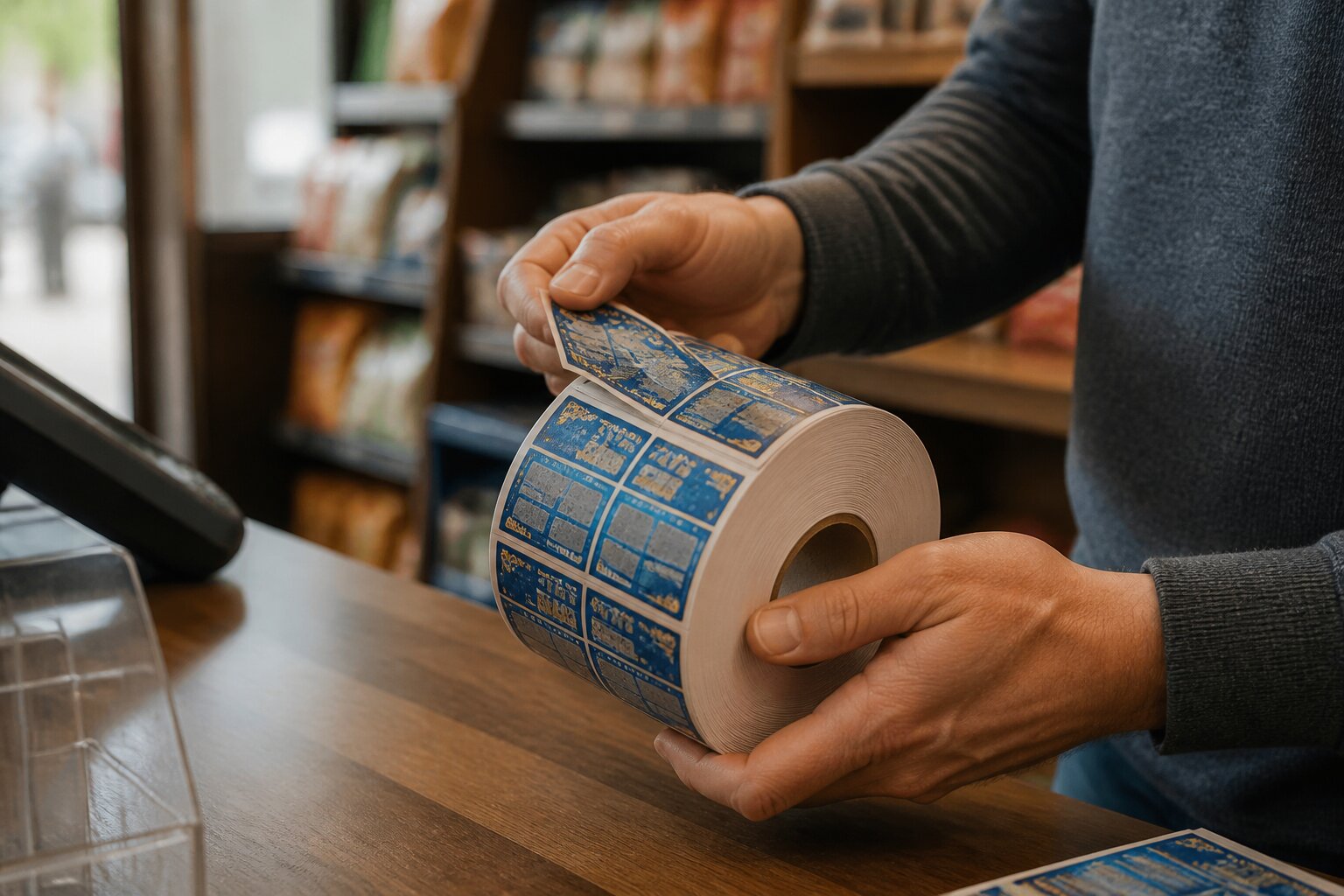
A full roll of scratch cards in the UK typically contains between 30 and 60 cards, though the exact number varies by game and price point. Most £1 and £2 scratch cards commonly come in rolls of 60. £3 cards are often issued in rolls of around 50, while £5 cards tend to be in smaller rolls of 30 to 40. These quantities reflect how the game is printed and distributed rather than any difference in how the cards perform.
Roll size may also differ between specific games or promotional runs, so if you need to know the precise count for a particular title it is best to check with the retailer at the point of sale. Retailers are required to display age restrictions and game details on packs, making it straightforward to confirm what you are buying. If you want to find out where to buy a full pack, the next section explains the types of outlets that sell them and what to expect when you ask.
Where Can You Buy Full Packs of Scratch Cards in the UK?
Full packs are sold only through registered retail outlets authorised to distribute National Lottery products. Typical sellers include newsagents, supermarkets, petrol station shops, convenience stores and other dedicated lottery retailers. These are physical, face-to-face transactions; physical scratch-card packs are not sold by third-party online sellers or auction sites.
Not every shop will be able to supply a full pack on demand. Stock is managed according to local demand, so larger or higher-traffic outlets are more likely to have full rolls available. Buying from a recognised retailer means the cards are genuine and covered by consumer protections, and staff will follow required checks before completing the sale. Later on we look at how buying in person compares with online play and what each option involves.
Key Differences Between Retail and Online Buying
There are clear distinctions between purchasing physical packs in-store and playing scratch-card style games online.
Buying Full Packs from High Street Shops
High street retailers and licensed lottery shops are the only places in the UK where you can buy a full physical pack of scratch cards. When buying in person, you can inspect the pack and receive the cards immediately, which some players prefer because it gives a tangible sense of ownership and control.
Availability varies by shop, and staff may not always be able to supply a whole roll at short notice. Some outlets keep limited stock or reserve packs for other customers, so it is worth checking ahead if you need a specific pack. Retail purchases are subject to in-person age checks and the retailer’s own procedures for handling prizes and returns.
Purchasing Directly from Official Lottery Providers Online
Official lottery websites offer digital scratch-card games that are played virtually. These digital games require creating an account and completing identity and age verification before you can play. Winnings from online play are credited to your online wallet and can usually be withdrawn or used for further play according to the provider’s terms.
Physical scratch cards cannot be ordered for home delivery through these sites. Online platforms often include tools to help manage play, such as deposit limits, time-outs and self-exclusion options, and they follow regulatory requirements to promote safer gambling. Both channels are regulated and include safeguards for customers; the online option is practical if you prefer a digital experience, while in-person purchases allow you to acquire full packs when they are in stock. The following section outlines how much those full packs typically cost.
How Much Does a Full Pack of Scratch Cards Cost?
The cost of a full pack is simply the face value of each card multiplied by the number of cards in the roll. For example, a roll of 60 £1 cards costs £60; 60 £2 cards cost £120. Higher-value cards produce proportionally larger totals: a 50-card roll of £3 cards would be £150, while a 30-card roll of £5 cards would be £150. Retailers do not typically discount bulk purchases, so buying a full pack does not reduce the per-card price.
When considering a pack purchase, think about what you can afford and how many cards you intend to use. Shops will carry out the required age checks before selling a pack, and some outlets may impose limits on the number of packs sold at once. That context leads naturally into the next section on rules and restrictions that apply to bulk transactions.
Common Rules and Restrictions for Bulk Purchases
Bulk purchases are subject to rules designed to protect buyers and the wider public. All sales are restricted to people aged 18 or over, and retailers must check identification where age is uncertain. Shops also have discretion to limit the number of packs sold or refuse a sale if they have concerns about the purchaser’s behaviour or circumstances.
Online accounts for digital scratch games include verification steps and may have spending controls or deposit limits. These measures help prevent excessive spending and support safer play. Transaction monitoring and staff training are part of how retailers and providers comply with regulatory expectations. With that in mind, the next section looks at whether full packs offer any different value compared with buying individual cards.
Are Full Packs Better Value Than Individual Scratch Cards?
There is no price benefit to buying a full pack: the total cost equals the sum of individual card prices, and there are no inherent discounts. More importantly, the way cards are purchased — as singles or in a pack — does not change the odds printed for each game. Outcomes are determined by the game’s design and prize structure rather than the purchase method.
Deciding whether to buy a full pack is therefore a matter of personal preference and budget. Some people prefer to buy a number of cards at once for convenience; others stick to single purchases to control spending. The next section addresses common misconceptions about bulk buying and clarifies which practices are not supported by regulation.
Myths About Buying Scratch Card Packs
There are a few persistent misconceptions. One is that bulk purchases let someone bypass checks or rules; in reality, all purchases are treated the same and may attract additional scrutiny. Another is that full packs are handled differently with regard to prize distribution; packs come from the same distribution system as single cards and do not carry different prize guarantees.
Retailers monitor transactions and may refuse sales they consider inappropriate. Identity checks, spending controls on online accounts, and transaction monitoring are standard safeguards. Understanding these protections helps set realistic expectations about what buying a pack can and cannot do. The final section summarises the legal and safety considerations to keep in mind.
Responsible Gambling and Legal Considerations
Purchases of scratch cards take place within a clear legal framework meant to protect customers. Sales are restricted to adults and subject to age verification. Retailers and online providers implement controls such as spending limits, identity checks and staff training to reduce the risk of harm. Buying packs does not improve outcomes or alter the published prize structure; decisions about buying should therefore be driven by affordability and personal choice.
If concerns arise about spending or behaviour, providers offer information and tools to help manage play. Keep purchases within a budget and treat scratch cards as an occasional form of entertainment rather than a means to make money. That approach ensures the activity stays lawful, controlled and aligned with personal financial priorities.
**The information provided in this blog is intended for educational purposes and should not be construed as betting advice or a guarantee of success. Always gamble responsibly.