
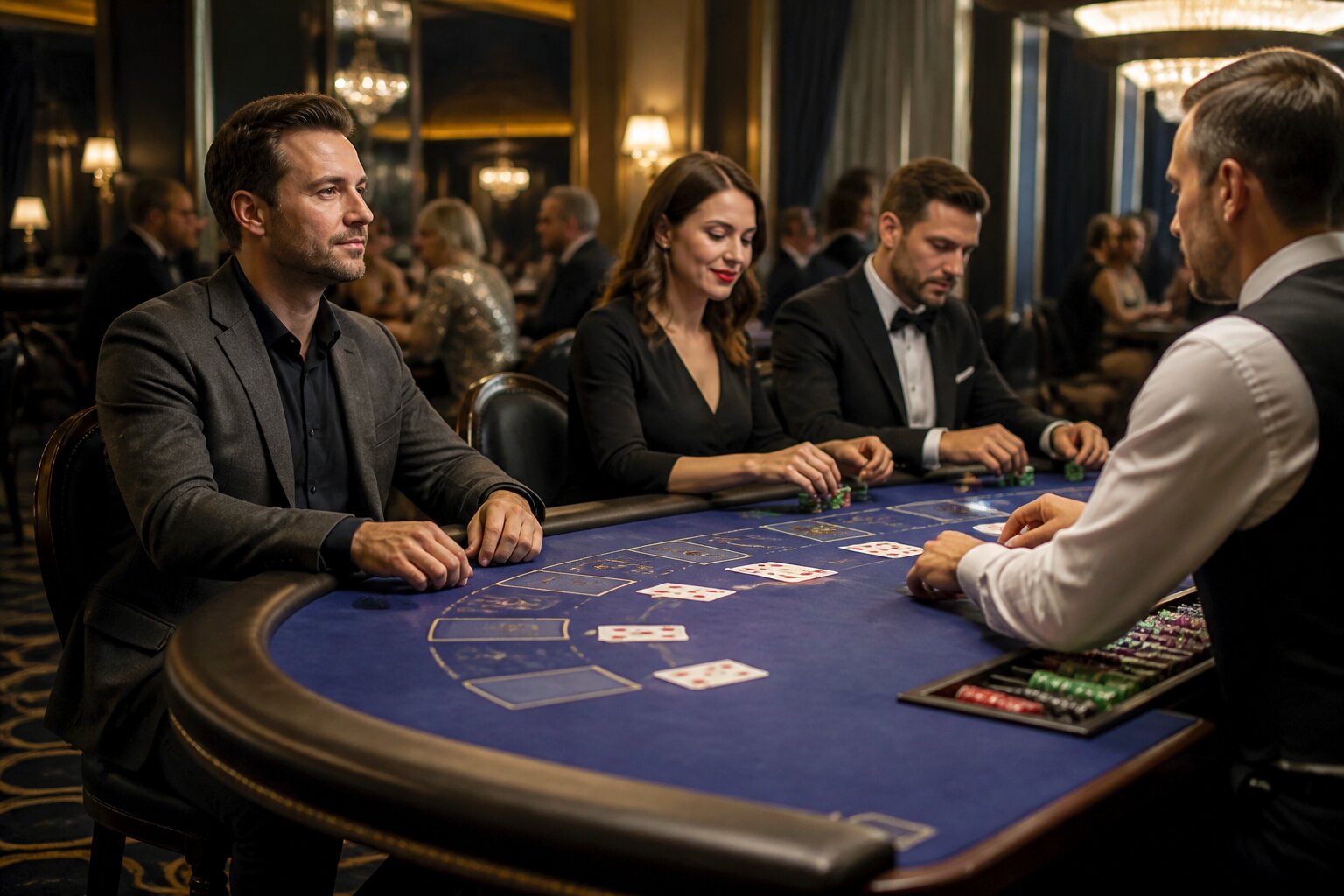
Ever walked into a casino and wondered if you can just sit at a blackjack table to watch the action, without actually playing a hand? You are not alone.
Many people, whether new to casinos or regular visitors, are unsure about the do’s and don’ts at table games. Casino etiquette is not always explicit, so a few clear pointers make the experience smoother for everyone.
If you want to soak up the atmosphere, support a friend or learn how the game works, this guide explains what’s acceptable, what might cause issues and how to behave so your time at the table is pleasant for all.
Understanding Blackjack Table Protocol
Blackjack tables operate with rules and expectations designed to keep play fair and efficient. Even when not taking part, being at a table means sharing responsibility for a calm and orderly environment.
Dealers and floor supervisors manage the pace and integrity of the game. They expect everyone at the table to avoid distractions, not interfere with bets or cards, and to follow any instructions they give. This ensures the game can proceed smoothly for paying participants.
Casinos follow regulatory principles that promote safety and fairness. While those rules do not set out specific table manners, they do require venues to control the gaming floor and protect the experience of customers. That context explains why staff may ask observers to change position or behaviour when it helps the game run better.
If you plan to watch for a while, keep your presence unobtrusive and be prepared to move if the table fills. Next, the article looks at whether venues typically allow observers to sit at all and how that varies by situation.
Is It Allowed to Observe Without Participating?
Most casinos permit people to observe blackjack play, and some will allow a spectator to sit if there are spare seats. This is more likely during quieter periods when there is no queue of players waiting to join.
Policies vary between venues. Some prefer observers to stand behind the table so seats remain available for paying customers, while others welcome quiet, non-playing guests in spare chairs. If the game becomes busy, staff may ask a spectator to give up a seat to someone wishing to play.
Whether standing or sitting, spectators should avoid handling cards or chips and keep movements minimal. This preserves the flow of the game and reduces the chance of a mistake occurring during play. If you want to learn by watching, choosing a quieter time to visit increases the chance you will be allowed to sit comfortably.
Understanding these practical boundaries helps when you approach a table, and the next section explains the specific manners that make sitting as a non-player acceptable.
Key Etiquette Rules for Sitting at the Table
Politeness and consideration are essential when occupying a seat as a non-player. The primary aim is to ensure the focus remains on those placing bets.
Keep conversation low and refrain from commenting on or advising players about their decisions. Comments, even well meant, can affect how others feel at the table and can distract both players and dealers.
Avoid placing personal items on the table and handle drinks with care to prevent spills. Mobile phones and cameras should not be used at the table so that privacy and game integrity are respected.
If staff ask you to move or stand, do so promptly. Demonstrating a cooperative attitude keeps the atmosphere friendly and prevents delays. With those basics in mind, the following section describes how casinos typically treat non-players and when you might expect to be asked to leave a seat.
What Do UK Casinos Expect from Non-Players?
Casinos seek to balance hospitality with efficient use of table space. Non-players are generally welcome provided their presence does not impede play or interfere with paying customers.
When a table is quiet, venues will often tolerate spectators sitting for a short period. If demand for seats increases, however, priority goes to guests who wish to place bets. Staff make these judgements to keep the floor fair and accessible.
People sitting without playing should be discreet and attentive to requests from staff. Doing so helps avoid misunderstandings and keeps the table available for those who want to participate. The next subsection looks at common seating policies and explains when you might need to give up your place.
Common Policies on Seating for Spectators
Casinos typically permit observers to sit only when there are spare seats and minimal demand. In busier periods, they may ask spectators to stand behind the players so seats remain free for paying guests.
Staff may remind non-players of house rules designed to keep the game flowing, such as not touching chips or cards and keeping noise levels down. These reminders are routine and intended to maintain a fair experience for everyone.
When Are You Expected to Give Up Your Seat?
If a paying guest wishes to join, spectators are expected to make their seat available promptly. Staff usually handle this courteously, but being ready to move when asked avoids delays and shows respect for other visitors.
Time limits on spectator seating are sometimes applied where queues form. Being prepared to step aside helps ensure the gaming area remains accessible and that waiting players can take their turn without frustration. The next section covers appropriate behaviour as a non-participant in more detail.
Appropriate Behaviour as a Non-Participant
A quiet, respectful presence contributes to an enjoyable table for everyone. Observers should avoid influencing play, from discussing strategy to visibly reacting to outcomes.
Personal conduct matters: do not touch cards, avoid handling chips and keep belongings away from the playing surface. These simple habits reduce the risk of accidental interference and help the dealer manage the game effectively.
Using a phone, taking photos or filming at the table is not acceptable. If you have questions, wait for a break between hands or speak with a floor supervisor away from the table so play is not disrupted.
Being attentive to the needs of active players both preserves the pace of the game and makes it more likely staff will welcome you to remain for a longer period. The next section explains how to pose questions or interact without breaking that flow.
How To Ask Questions or Interact Without Disrupting Play
If you are learning, quiet, well-timed questions are usually welcomed. The best moments to speak are during natural pauses, such as after bets are settled and cards have been placed out of play.
Dealers can answer general queries when they are not busy dealing or collecting bets, but their priority is the table’s operation. If a more detailed explanation is needed, a short chat with a supervisor away from the gaming surface is often the most effective option.
Interactions with players should remain unobtrusive. If someone starts a conversation, keep it brief and at a volume that does not disturb others. This approach lets you get information while preserving concentration for those making decisions.
Knowing how to approach staff and players courteously helps you learn more without slowing the game. Now consider why remaining seated without playing can sometimes cause issues, and how to avoid them.
What Are the Potential Drawbacks of Sitting Without Playing?
Sitting at a table without joining in can be pleasant, but it has limitations. You may be asked to move at short notice, particularly if the casino becomes busy, which can interrupt your visit.
Some players feel uneasy when observed closely, as it can add pressure or create awkwardness at the table. Keeping a low profile reduces this effect and helps maintain a comfortable atmosphere for everyone.
There can also be practical constraints. Venues sometimes impose time restrictions on spectator seating if there is a waiting list, so your opportunity to watch may be brief. Being flexible and ready to stand behind the table preserves good relations with staff and fellow guests.
Understanding these drawbacks makes it easier to choose when and where to observe. The next section outlines how staff typically manage these situations if they arise.
How Staff May Approach Non-Players
Staff make decisions based on the current demand and the need to keep the game fair. If the venue is quiet and you are respectful, staff will usually allow you to remain seated. If the floor becomes busy, they will prioritise paying players.
Approaches from staff tend to be polite and practical. They may issue reminders about house rules or ask you to move to a standing position so others can take a seat. Treating these requests as routine helps the situation stay amicable.
If you need clarification about a rule or the venue’s policy, asking a supervisor away from the table avoids interrupting play and provides a clear answer. With staff cooperation the experience is smoother for everyone, which is what the next section focuses on.
Tips for Enjoying the Casino Atmosphere Respectfully
Observing a blackjack game can be enjoyable when done considerately. Keep noise and movement to a minimum, avoid handling anything on the playing surface and respect requests from staff.
Be aware of your surroundings so you can step aside if the venue gets busier. Simple acts of consideration, such as storing bags away from the table and holding drinks securely, prevent accidental interruptions.
If you want to learn more about the game, choose quieter times to visit and wait for natural breaks to ask questions. That way you can gain insight without slowing the table or causing discomfort for players.
Staying respectful and flexible ensures your visit is pleasant, whether you watch for a few hands or simply pass through the gaming area. Enjoy your time at the casino, and remember that courteous behaviour helps maintain a fair and welcoming environment for everyone.
**The information provided in this blog is intended for educational purposes and should not be construed as betting advice or a guarantee of success. Always gamble responsibly.